Wriai vs Keyword Chef: AI SEO Agent vs Keyword Research Tool
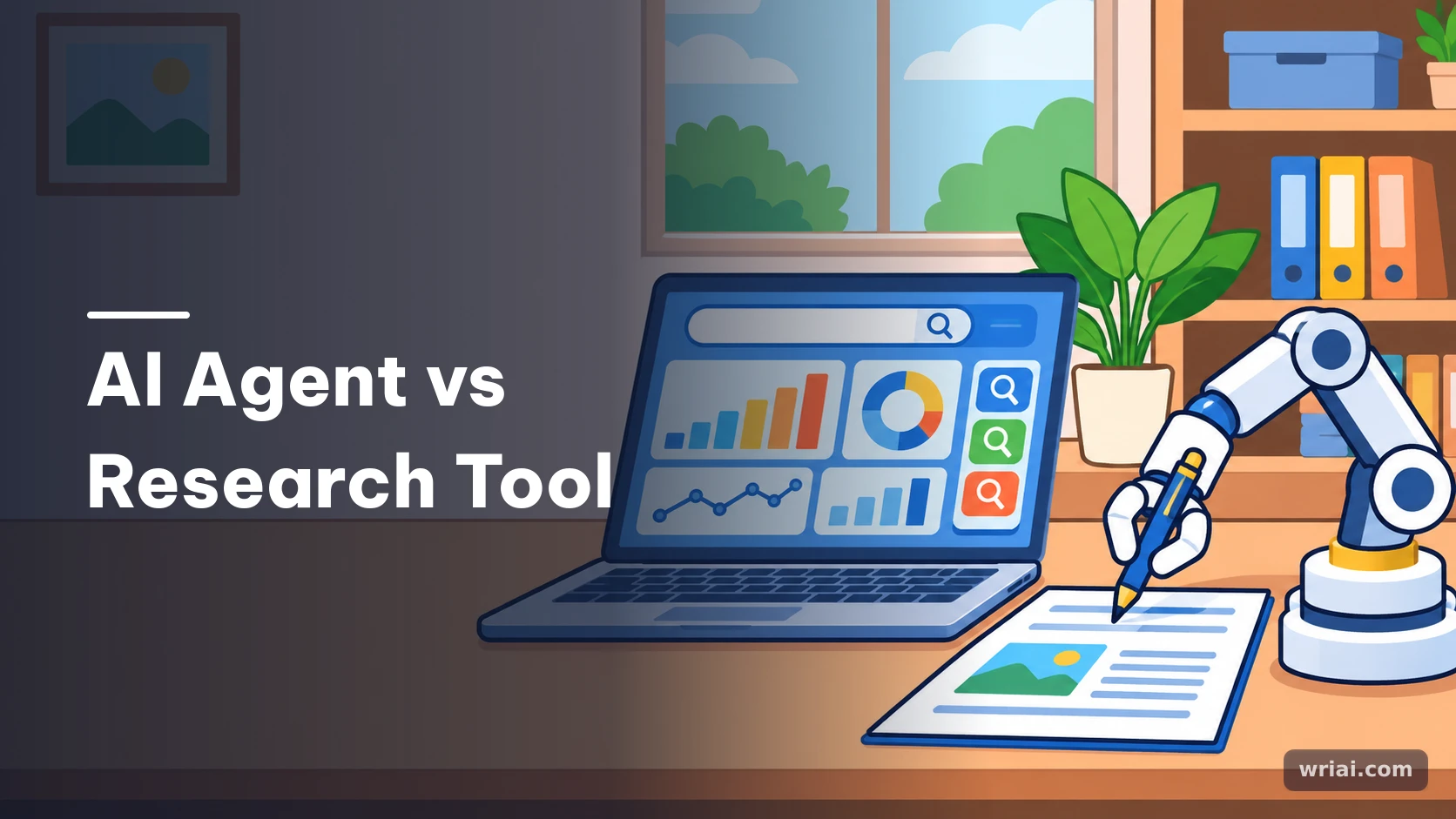
Choosing the right platform for organic search growth often comes down to understanding the core distinction between data discovery and autonomous execution. When evaluating Wriai vs Keyword Chef, digital publishers and modern marketing teams are not just comparing features; they are weighing a specialized keyword research assistant against an end-to-end AI SEO automation platform. Understanding how these systems differ in scope, workflow integration, and resource allocation is essential for scaling search visibility effectively.
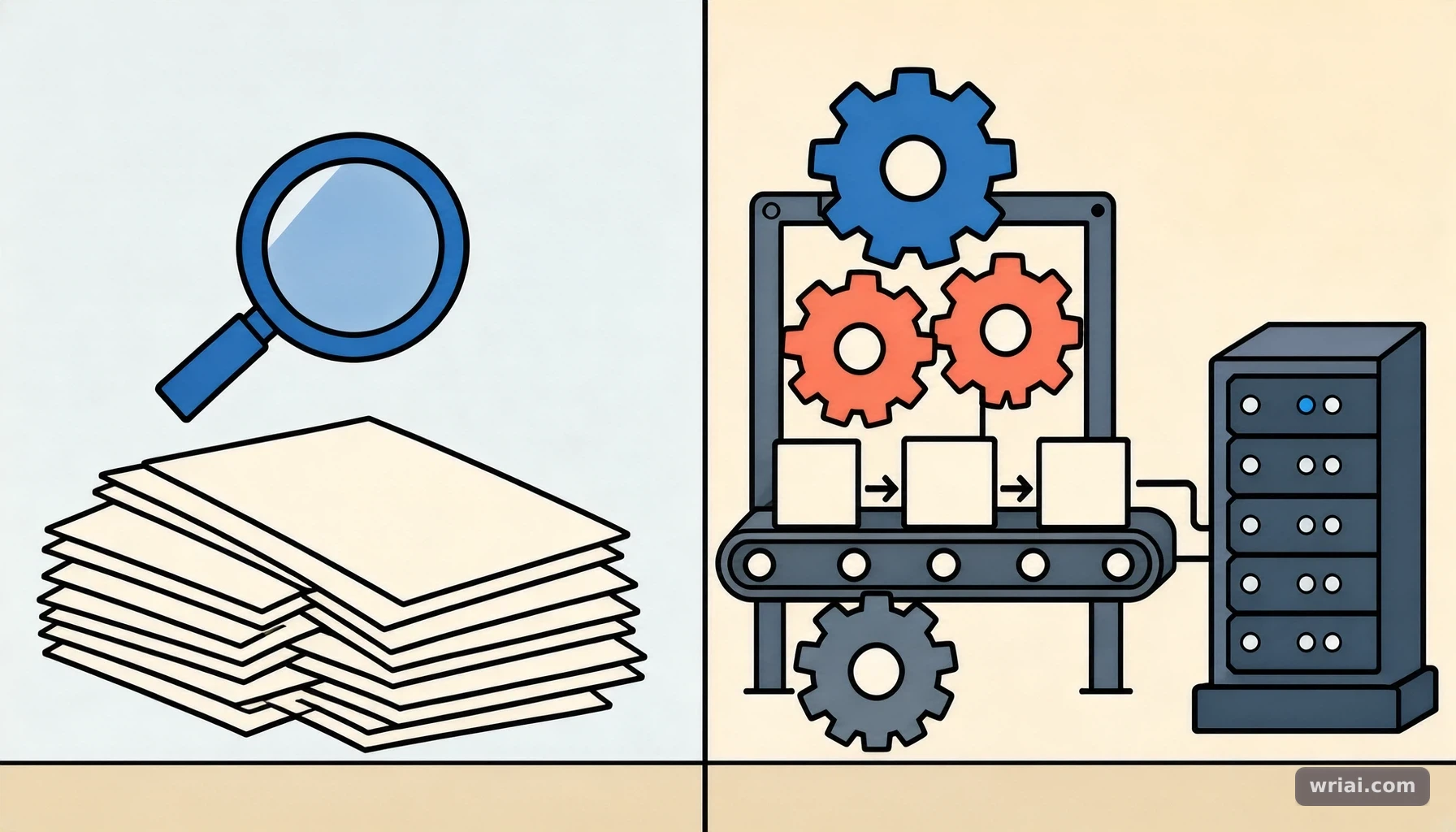 Wriai vs Keyword Chef: AI SEO Agent vs Keyword Research Tool - Understanding the Core Architecture of Search Optimization Software
Understanding the Core Architecture of Search Optimization Software
Modern search engine optimization requires moving beyond manual keyword lists and fragmented tools. As search algorithms grow increasingly complex, content creators and enterprise teams must choose between tools designed to unearth raw search data and systems engineered to execute complete publishing workflows autonomously.
The Philosophy Behind Keyword-First Discovery Tools
Keyword discovery utilities are built to streamline the preliminary research phase of publishing. These platforms specialize in parsing wildcard queries, uncovering low-competition terms, and presenting visual representations of search engine results pages. The primary objective is to help human creators identify profitable content opportunities before drafting begins. Users retain full control over writing, editing, internal linking, and content deployment, utilizing the software purely as an intelligence layer to guide editorial calendars.
The Shift Toward Autonomous SEO Agents
In contrast, autonomous SEO platforms approach organic growth as a continuous, closed-loop lifecycle. Rather than stopping at data delivery, these systems leverage autonomous AI agents to handle opportunity discovery, content cluster planning, multi-step article generation, CMS publishing, internal linking, and search engine indexing. According to Alex Vance, shifting from manual execution to closed-loop automation eliminates operational bottlenecks, allowing websites to scale output and recover decaying pages without constant human intervention.
Bridging Research and Content Execution
While discovery platforms help you answer what to write about, automated systems bridge the gap between ideation and tangible ranking results. For solo bloggers and boutique publishers, a dedicated keyword discovery tool provides sufficient support because production capacity is naturally limited. However, for SaaS companies, digital agencies, and enterprise publishers managing hundreds of target queries, automating the post-research lifecycle becomes a critical requirement for maintaining consistent growth.
Core Capabilities, Workflows, and Technical Specifications
Evaluating platform capabilities requires a detailed look at how each solution processes data and manages tasks. A side-by-side comparison reveals distinct operational boundaries that influence daily publishing routines.
Comparative Feature Analysis
| Feature Category | Wriai (Autonomous AI SEO Platform) | Keyword Chef (Keyword Research Tool) |
|---|---|---|
| Primary Function | End-to-end SEO automation and content lifecycle management | Keyword discovery, wildcard search, and SERP validation |
| Workflow Scope | Closed-loop: Opportunity → Research → Create → Publish → Link → Index → Distribute → Monitor → Recover | Research-phase analysis and search volume evaluation |
| Content Production | Autonomous E-E-A-T Content Studio with automated clusters | Manual content creation based on discovered keywords |
| Publishing Integration | Direct CMS integration (WordPress, Shopify, Ghost) | None (export data to CSV or copy-paste manually) |
| Ongoing Maintenance | Automated content decay monitoring and refresh cycles | Periodic manual keyword re-checks |
Data Processing and Opportunity Identification
Discovery tools rely heavily on wildcard expansions and search volume filters to surface niche terms that larger competitors overlook. They visualize SERP structures to help users judge whether a ranking gap is worth pursuing. Meanwhile, comprehensive AI growth platforms integrate Google Search Console data, competitor analytics, and market trends to automatically flag high-potential keywords through specialized engines like the Golden Opportunity Engine, removing the guesswork from topic selection.
Execution Speed and Operational Scale
The operational velocity of a campaign is dictated by how many manual hurdles exist between keyword selection and live publication. While a research utility requires a human writer to draft, format, optimize, and publish each piece, an autonomous agent handles the entire sequence programmatically. This architectural difference allows growth-focused teams to deploy comprehensive topic clusters in a fraction of the time required by traditional manual workflows.
Practical Implementation and Workflow Integration
Integrating an optimization tool into your daily operations requires careful consideration of team structure, existing content management systems, and long-term publishing goals.
Setting Up Research and Ideation Pipelines
For teams utilizing a dedicated keyword discovery utility, the workflow typically begins with broad wildcard queries. Publishers sift through search results to filter out forums, social media sites, and heavily dominated domains, isolating easy-to-win keywords. These terms are exported into spreadsheets, categorized manually, and assigned to human writers or freelance pools for content production.
Automating the Publishing Lifecycle
When deploying an autonomous AI system like Wriai, the integration focuses on connecting your website's CMS (such as WordPress, Shopify, or Ghost) directly to the platform's orchestration engine. Once connected, the system continuously analyzes market shifts through its AI Market Radar, identifies high-value ranking gaps, generates optimized content clusters complete with visual assets, publishes the articles, and automatically submits the new URLs for search engine indexing.
Managing Internal Linking and Content Decay
Beyond initial publication, maintaining a healthy site architecture requires ongoing internal link building and performance tracking. Autonomous platforms streamline this by identifying contextual linking opportunities across existing archives and executing them programmatically. Furthermore, automated decay recovery monitors traffic fluctuations over time, flagging underperforming URLs and refreshing outdated sections without requiring manual audits.
Strategic Pro Tips and Avoiding Common Publishing Mistakes
Maximizing organic search performance demands a disciplined approach to keyword selection, content quality, and workflow management. Avoiding common pitfalls ensures long-term algorithmic stability.
Balancing Automation with Brand Voice
A frequent mistake when adopting AI-driven platforms is neglecting editorial oversight. Even with advanced E-E-A-T content studios, publishers should regularly review generated output to ensure brand guidelines, unique proprietary insights, and expert perspectives are accurately represented. Combining automated scale with distinct brand authority yields the strongest positioning in competitive search landscapes.
Leveraging Wildcards and Market Data Effectively
When conducting initial research, avoid targeting ultra-broad head terms that carry prohibitive competition levels. Whether you use wildcard searches or automated opportunity engines, focus on long-tail variations and semantic clusters that match genuine user intent. As Alex Vance notes, prioritizing intent-aligned keyword clusters prevents wasted crawl budget and accelerates topical authority acquisition.
Preventing Keyword Cannibalization
As publishing volume scales, overlapping content can inadvertently target identical search queries, leading to keyword cannibalization. Ensure your chosen platform maintains a clear taxonomy and utilizes smart internal linking to establish clear hierarchy between pillar pages and supporting articles. Regularly audit content clusters to verify that each URL serves a distinct, non-overlapping search intent.
Tailoring Your Tool Selection Based on Publishing Goals
Different organizational structures and business models require tailored software stacks. Matching your platform choice to your specific operational capacity ensures optimal return on investment.
Choosing the Right Solution for Solo Publishers and Niche Bloggers
For independent bloggers and niche content creators operating with tight schedules and limited budgets, a lightweight keyword research tool often suffices. These users enjoy the hands-on process of writing and prefer having direct control over every article produced. A discovery platform provides the exact data needed to find low-competition gems without introducing complex automation infrastructure.
Scaling Organic Growth for Agencies and SaaS Businesses
Digital agencies, multi-author publications, and SaaS enterprises face constant pressure to produce high volumes of targeted content while maintaining strict quality standards. For these organizations, relying solely on manual research and writing creates severe growth ceilings. Implementing a closed-loop platform that automates everything from opportunity discovery to indexing and decay recovery provides the necessary leverage to dominate competitive verticals.
Future-Proofing Your SEO Strategy
As search engines increasingly prioritize real-time data, semantic depth, and automated technical health, static toolsets are giving way to dynamic, agentic platforms. Evaluating your current workflow against your long-term expansion targets will help you determine whether you need a simple research assistant or a comprehensive autonomous engine to achieve your organic growth objectives.
FAQ
What is the main difference between Wriai and Keyword Chef?
Wriai is an autonomous AI SEO and content lifecycle management platform designed to execute end-to-end workflows including research, content creation, publishing, linking, indexing, and decay recovery. Keyword Chef is a specialized keyword research utility focused on wildcard searches and SERP visualization to help publishers identify ranking opportunities during the initial research phase.
Can Keyword Chef automatically publish articles to my WordPress site?
No, Keyword Chef is strictly a research-phase tool used to discover and validate search terms. It does not include content generation or CMS publishing integrations, meaning users must export their keyword data and handle writing, formatting, and publishing manually or through separate software.
How does Wriai handle content maintenance and updates?
Wriai features automated content decay recovery that continuously monitors the performance of published articles across search engines. When it detects a drop in traffic or rankings for a specific URL, the platform's AI agents automatically analyze the page and execute necessary updates to refresh its content and restore visibility.
Is Wriai suitable for digital agencies and SaaS companies?
Yes, Wriai is built specifically for SEO professionals, content marketers, website owners, SaaS businesses, and digital agencies that require automated, scalable organic search growth. Its closed-loop architecture handles large-scale operations from keyword discovery to multi-channel distribution without requiring heavy manual intervention.
Alex Vance
Head of AI SEO & Autonomous Growth Systems
Specialist with 9+ years of experience in algorithmic search engine optimization, semantic knowledge graphs, and large-scale LLM automation.