Wriai vs Advanced Web Ranking: AI SEO Agent vs Rank Tracker
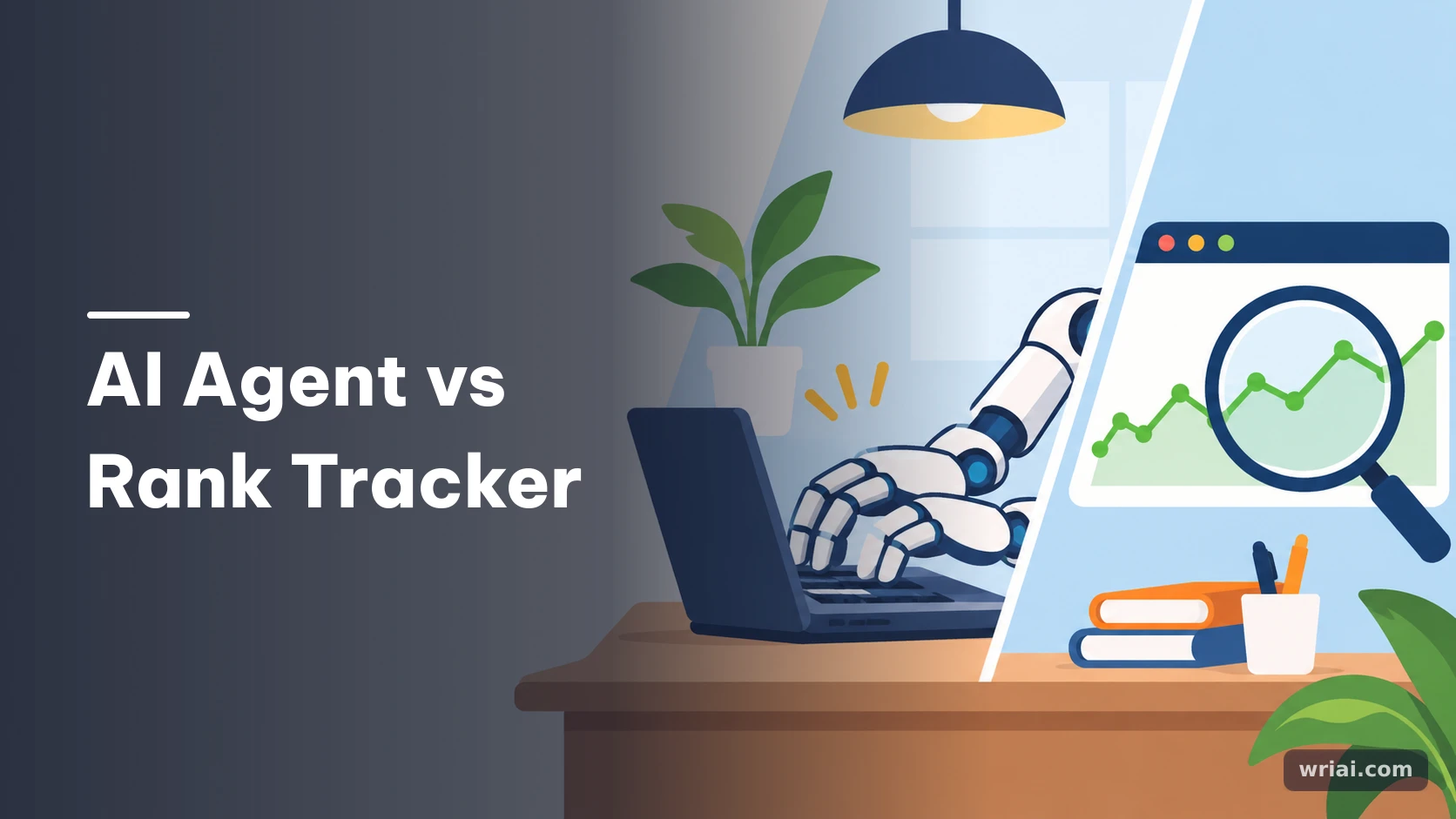
Choosing the right platform for modern search engine optimization often hinges on a fundamental dilemma: do you need a sophisticated system to monitor your performance metrics, or an autonomous engine to execute your search growth strategy from end to end? In the landscape of digital marketing tools, comparing Wriai vs Advanced Web Ranking highlights a profound philosophical divide, much like broader industry evaluations such as Wriai vs SE Ranking, in how organizations approach organic traffic. While Advanced Web Ranking remains a staple for precision rank tracking and comprehensive reporting, Wriai represents a paradigm shift toward autonomous AI SEO agents that actively research, create, publish, and optimize content clusters—a capability further highlighted when comparing Wriai vs LowFruits for low-competition keyword execution without manual intervention. Understanding this distinction is essential for teams looking to maximize organic reach efficiently.
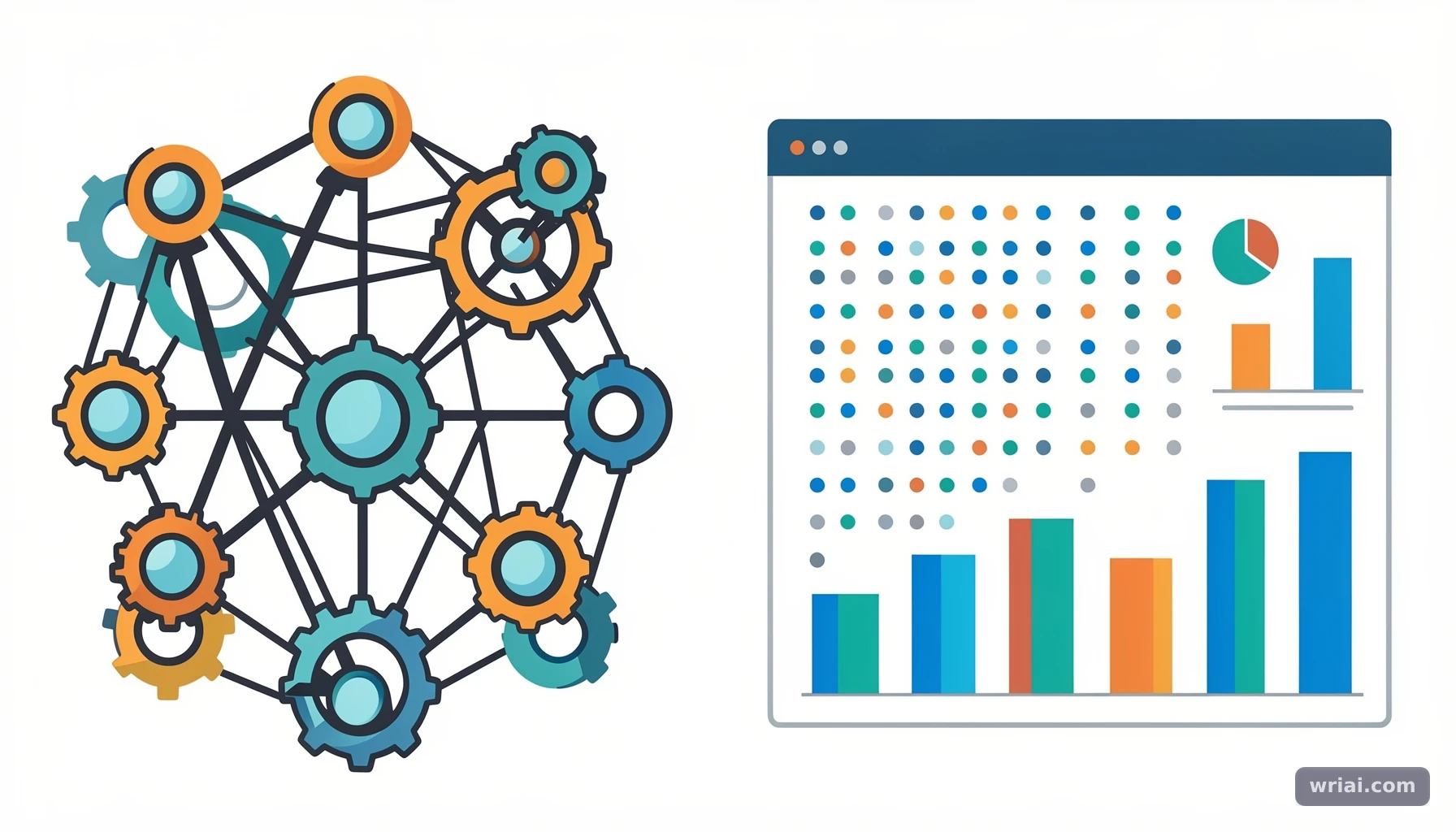 Wriai vs Advanced Web Ranking: AI SEO Agent vs Rank Tracker - Core Operational Philosophies and Platform Architecture
Core Operational Philosophies and Platform Architecture
The foundational design of an SEO software platform dictates its daily utility for marketing teams, agencies, and enterprise organizations. Traditional rank trackers are built to observe and report, whereas autonomous AI operating systems are engineered to act and execute within live publishing environments.
The Analytical Nature of Advanced Web Ranking
Advanced Web Ranking functions as a professional-grade monitoring and reporting hub. Its architecture centers on gathering accurate, localized visibility data across major search engines and presenting those metrics through custom dashboards. SEO professionals rely on its historical tracking, keyword ranking updates, and competitive analysis to inform manual strategy adjustments. The tool provides the raw intelligence needed to diagnose ranking drops or identify shifting search volume, leaving the actual execution of content updates, link building, and site optimization to human teams or external workflows.
The Closed-Loop Automation of Wriai
In contrast, Wriai operates on a closed-loop autonomous model. Rather than stopping at data collection, the system uses specialized engines to close the gap between insight and execution. When data indicates a ranking gap or a high-potential keyword opportunity, Wriai's AI agents automatically initiate the creation, optimization, and publishing workflow. This agentic approach transforms raw data directly into live web assets, bridging the traditional divide between keyword research and content deployment.
Bridging Data Monitoring and Autonomous Execution
For many growing businesses, managing the handoff between data analysis and content execution creates significant operational bottlenecks. Traditional rank trackers excel at highlighting where a website loses ground, but resolving those issues requires separate writing, editing, and publishing steps. Understanding how do modern ai platforms handle seo optimization alongside automated publishing tasks? is vital because modern AI platforms streamline this workflow by integrating insight generation directly with automated CMS publishing and internal linking. This integration minimizes administrative overhead and allows marketing teams to focus on high-level growth strategy rather than repetitive execution tasks.
Comparing Feature Sets and Workflow Integration
Evaluating feature capabilities requires looking beyond basic keyword tracking to understand how each system handles the complete search optimization lifecycle. Different tools serve distinct operational requirements depending on whether a team prioritizes macro-level visibility reporting or micro-level task automation.
Feature Comparison Matrix
| Feature Category | Wriai (Autonomous AI SEO) | Advanced Web Ranking (Rank Tracking & Reporting) |
|---|---|---|
| Primary Function | End-to-end SEO workflow automation and content execution | Rank tracking, visibility reporting, and competitive intelligence |
| Opportunity Discovery | Golden Opportunity Engine mines search console and trends | Keyword discovery via database queries and ranking analysis |
| Content Production | Autonomous E-E-A-T Content Studio with automated publishing | Manual content creation based on provided reports and insights |
| Lifecycle Management | Automated internal linking, indexing, and decay recovery | Scheduled ranking updates, forecasting, and custom reports |
| Enterprise Integration | Direct CMS integration and automated social distribution | Developer API, BigQuery integration, and custom team dashboards |
Data Intelligence versus Content Creation
Advanced Web Ranking provides robust data intelligence, including forecasting tools, custom reporting, and API access for enterprise data warehousing. However, it does not write articles, generate images, or publish content to your website. Wriai approaches the same data landscape by coupling market intelligence with an autonomous content studio. Its market radar monitors competitor movements to instantly guide the creation of optimized content clusters, ensuring that emerging search trends are addressed immediately without waiting for human content planning cycles.
Lifecycle Maintenance and Content Decay
Maintaining search visibility over time requires continuous monitoring of content decay, internal link equity, and search engine indexing. Wriai automates these ongoing maintenance tasks, automatically refreshing underperforming pages and submitting new URLs to search engines. Traditional tools like Advanced Web Ranking alert you when pages drop in rank, but the remediation process—updating stale paragraphs, fixing broken internal links, and re-indexing—remains a manual chore for your editorial staff.
Practical Implementation and Everyday Workflows
Implementing a software solution successfully depends on how well its daily workflows align with your team's operational capacity and growth goals. Establishing a repeatable process ensures your chosen platform delivers a strong return on investment.
Setting Up Monitoring versus Agentic Workflows
Configuring Advanced Web Ranking involves setting up projects, defining target geographic locations, grouping keyword portfolios, and scheduling automated report generation for stakeholders. The workflow is analytical, focusing on clean data presentation and trend visualization. Setting up Wriai, on the other hand, involves connecting your website's CMS, establishing brand guidelines, and configuring autonomous agents to begin mining ranking gaps and scheduling automated publishing cycles.
Managing Daily Operations and Routine Tasks
In a typical agency or in-house environment, daily operations dictate how much time staff spend on repetitive tasks versus strategic planning. When using a traditional rank tracker, team members spend hours reviewing charts, exporting data to spreadsheets, and briefing writers on necessary updates. With an autonomous AI platform, the routine tasks of keyword clustering, draft generation, image creation, and internal link placement run in the background. Teams transition from execution managers to system supervisors, reviewing completed work rather than starting from scratch.
Scaling Programmatic and Organic Growth
Scaling organic search traffic manually often hits a ceiling imposed by writer availability, editing bandwidth, and publishing logistics. Programmatic and high-volume content strategies require systems capable of handling large numbers of landing pages without sacrificing quality or E-E-A-T signals. Autonomous architectures make it feasible to scale content clusters across hundreds of target keywords simultaneously, maintaining contextual relevance through smart internal linking and automated social distribution.
Strategic Selection: Choosing the Right Tool for Your Objectives
Selecting between an advanced rank tracker and an autonomous SEO platform requires a clear assessment of your organization's internal resources, technical maturity, and growth objectives.
When to Choose Advanced Web Ranking
Advanced Web Ranking is ideal for large enterprises, legacy SEO agencies, and brands with dedicated in-house content teams that require granular, highly localized rank tracking across complex multi-domain portfolios. If your primary need is robust reporting, executive dashboards, and precise competitive monitoring to guide a large team of human SEO specialists, a dedicated tracking platform provides the necessary data foundation.
When to Choose Wriai
Wriai suits fast-moving SaaS companies, digital agencies, and programmatic content operations that need to automate the heavy lifting of SEO execution. If your team struggles to produce enough high-quality content, keep up with internal linking, or recover decaying pages due to limited bandwidth, an autonomous AI operating system offers a practical solution to scale output efficiently. As Alex Vance notes in various growth frameworks, automating the routine execution cycle allows lean teams to achieve search visibility levels that traditionally required much larger departments.
Hybrid Approaches and Modern Tech Stacks
Many sophisticated digital marketing organizations eventually incorporate multiple specialized tools into their tech stack. While some teams utilize enterprise rank trackers for client reporting and high-stakes keyword auditing, they simultaneously deploy autonomous agents to handle the rapid expansion of content clusters and ongoing lifecycle maintenance. Aligning your software choices with your team's actual bottlenecks prevents wasted subscription costs and maximizes search performance.
FAQ
What is the fundamental difference between Wriai and Advanced Web Ranking?
The fundamental difference lies in their operational model: Wriai is an autonomous AI SEO operating system that executes tasks like content creation, publishing, and internal linking automatically, whereas Advanced Web Ranking is a professional rank-tracking and reporting platform designed to provide data and analytics for human strategists to act upon.
Can Advanced Web Ranking write or publish content to my website?
No, Advanced Web Ranking does not create, edit, or publish content. It focuses strictly on rank tracking, localized performance metrics, competitive analysis, and custom reporting, leaving all content execution and website updates to your human editorial team.
How does Wriai handle content decay and ongoing maintenance?
Wriai includes lifecycle automation features that continuously monitor page performance. When content begins to lose traffic or ranking positions, the system identifies the decay and initiates automated refresh workflows to update underperforming pages and maintain search relevance.
Which platform is better suited for a small marketing team with limited bandwidth?
For teams with limited manpower, Wriai is typically better suited because its autonomous agents handle the end-to-end execution of SEO tasks—from keyword opportunity discovery to publishing and indexing—drastically reducing the manual hours required to scale and maintain organic search traffic.
Alex Vance
Head of AI SEO & Autonomous Growth Systems
Specialist with 9+ years of experience in algorithmic search engine optimization, semantic knowledge graphs, and large-scale LLM automation.