Wriai vs Clearscope: SEO Automation vs Content Optimization
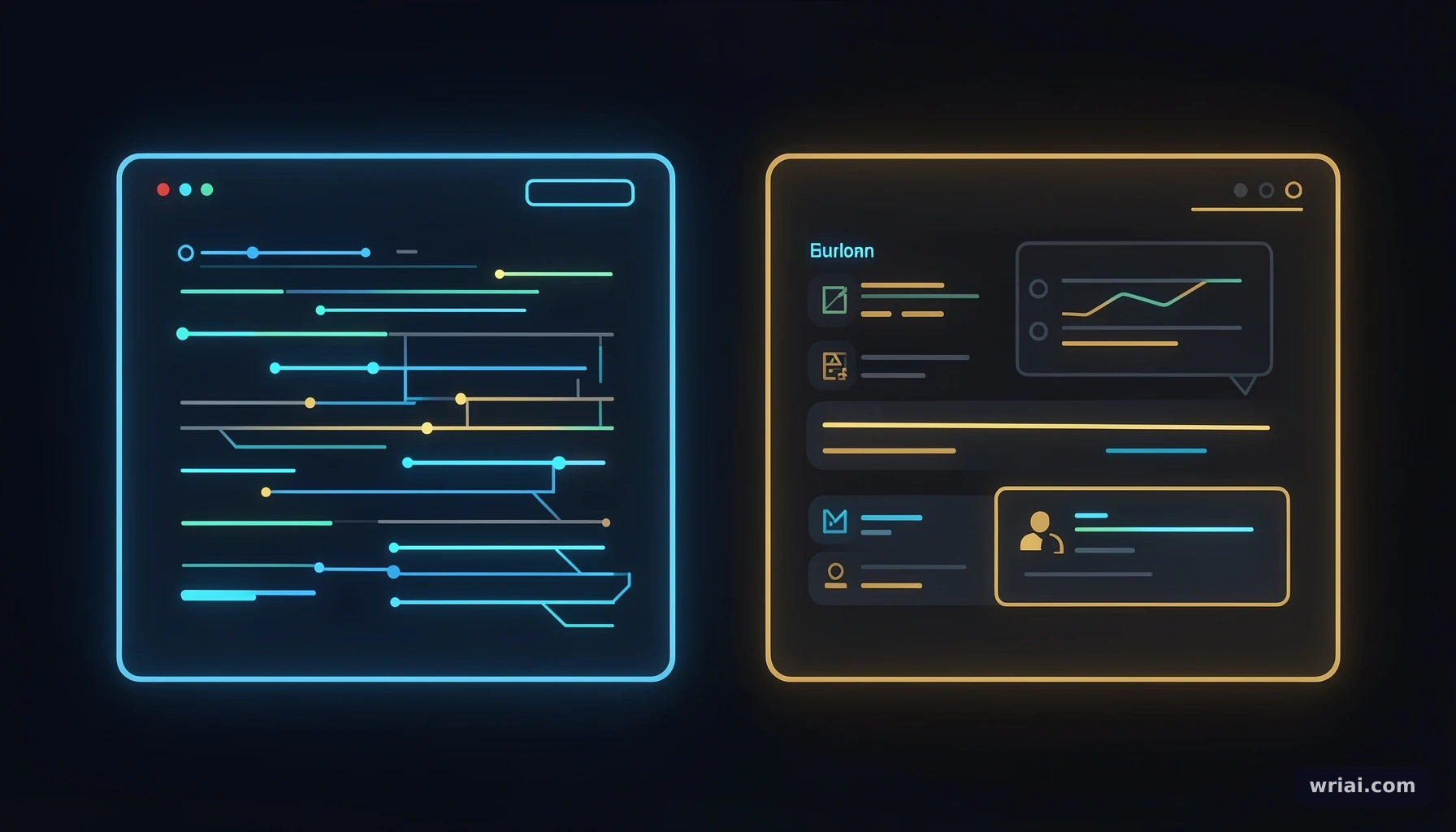
Choosing the right digital marketing software in 2026 requires understanding a fundamental industry shift: the transition from human-driven optimization assistants to autonomous, end-to-end AI execution engines. When comparing Wriai vs Clearscope, practitioners are not simply evaluating two writing tools; they are contrasting a comprehensive autonomous SEO lifecycle platform with a specialized, writer-centric content optimization interface designed for human-in-the-loop refinement.
 Wriai vs Clearscope: SEO Automation vs Content Optimization - Architectural Foundations and Platform Philosophy
Architectural Foundations and Platform Philosophy
Understanding the underlying philosophy of modern search engine optimization tools is essential for modern marketing teams. Modern search engine algorithms reward high-frequency publishing, continuous content auditing, and rigorous E-E-A-T signals. Consequently, the architectural divide between autonomous execution and manual optimization shapes how businesses scale their organic footprints.
The Autonomous Paradigm of Wriai
Wriai operates as an Autonomous AI SEO Automation and Content Lifecycle Management Platform. Rather than simply providing keyword suggestions or readability scores for a human writer to action, Wriai deploys an AI SEO agent designed to execute end-to-end SEO workflows. The platform handles opportunity discovery via its Golden Opportunity Engine, automated content cluster planning, multi-source research, content generation, CMS publishing, URL indexing, internal and external linking, and ongoing performance monitoring with automated Content Decay Recovery.
The Optimization Focus of Clearscope
Clearscope approaches organic search through the lens of content optimization and editorial guidance. It functions as an AI-powered content grading and SEO writing platform centered around a text-based editor. Clearscope analyzes top-ranking search results to provide real-time NLP recommendations, entity suggestions, and readability grades. It empowers human writers, content marketers, and editors to fine-tune human-crafted drafts so they align precisely with search intent and semantic keyword expectations.
Strategic Implications for Content Teams
The divergence in platform architecture dictates organizational workflows. Teams implementing Wriai seek hands-off SEO growth, leveraging automation to scale article production from a handful of posts to hundreds per month without expanding headcount. Conversely, teams utilizing Clearscope prioritize high-stakes, expert-led content where human oversight, brand voice control, and rigorous editorial standards remain paramount, using data-backed optimization to polish each individual piece—considerations also explored in the Wriai vs Surfer SEO comparison.
Comparative Technical Specifications and Core Capabilities
Evaluating platform capabilities requires a granular look at how each system handles the fundamental tasks of search engine optimization, content creation, and publishing infrastructure. While both platforms leverage advanced natural language processing, their operational boundaries differ significantly.
| Feature & Specification | Wriai Architecture | Clearscope Architecture |
|---|---|---|
| Primary Platform Goal | Full Autonomous SEO Automation | Content Optimization & Grading |
| Human Involvement Level | Minimal (Set-and-Forget Workflow) | High (Writer-in-the-Loop Supervision) |
| Publishing Mechanism | Automated (Direct CMS Integration) | Manual (Copy-and-Paste Workflow) |
| Content Lifecycle Scope | End-to-End (Discovery to Decay Recovery) | Content Creation & Editing Phase Only |
| Keyword & Opportunity Discovery | Automated (Golden Opportunity Engine) | Manual Input / Competitive Brief Generation |
| Technical Infrastructure Tasks | Automated Indexing, Linking, & Distribution | Not Applicable (Content Editor Only) |
Content Generation and Workflow Depth
Wriai for SEO manages the entire content lifecycle. Its Autonomous E-E-A-T Content Studio plans complete topic clusters, researches semantic nuances, generates text and relevant visual assets, and pushes the finished asset directly to connected content management systems. Clearscope stops at the editing phase, providing content briefs and real-time grading metrics within integrations like Google Docs and WordPress, leaving drafting, publishing, and maintenance to human operators.
Monitoring and Lifecycle Management
Maintaining search engine rankings demands continuous oversight. Wriai incorporates automated monitoring systems that track content performance and trigger Content Decay Recovery when rankings begin to slip, automatically refreshing underperforming pages. Clearscope provides reporting and competitive analysis data to guide human writers during the initial creation phase, but relies on external tooling or manual audits for long-term portfolio maintenance.
Implementation Workflows and Practical Execution
Deploying an SEO platform effectively depends on understanding its daily execution workflow. The operational steps required to take a keyword from raw data to a published, ranking asset highlight the distinct operational efficiencies of each platform.
Executing an Autonomous Workflow with Wriai
Implementing Wriai involves a streamlined, automated sequence designed to minimize manual overhead:
- System Setup: Connect your website CMS and Google Search Console directly to the Wriai dashboard to ground the AI in your site's performance data.
- Opportunity Discovery: Leverage the Golden Opportunity Engine to surface high-potential keywords and ranking gaps based on real search queries.
- Cluster Planning: Utilize the Content Studio to map out comprehensive content clusters and schedule automated creation cadences.
- Execution and Distribution: The AI agent researches, drafts, generates optimized visual assets, pushes the article to your CMS, submits the URL for indexing, and distributes links across connected social channels.
Optimizing Drafts with Clearscope
Integrating Clearscope into a traditional human-led content workflow follows a different operational pattern:
- Brief Generation: Input a target keyword into Clearscope to generate a data-backed content brief based on top-ranking SERP competitors.
- Editor Integration: Open the Clearscope editor within Google Docs or Microsoft Word and share the brief with human writers.
- Drafting and Grading: As writers draft content, the real-time NLP grader tracks term usage, readability, and content grade against the target threshold.
- Final Review and Publishing: Editors review the optimized draft, ensure brand voice consistency, and manually publish the content to the website CMS.
Pro Tips, Common Pitfalls, and Strategic Solutions
Maximizing the return on investment from modern SEO platforms requires anticipating operational challenges and adopting industry best practices. Whether managing autonomous agents or human writing teams, avoiding common pitfalls ensures sustained organic growth.
Overcoming Content Homogenization in Autonomous Systems
A frequent concern when utilizing automated SEO systems is content homogenization—producing generic articles that fail to engage readers. To prevent this, configure Wriai's content parameters with proprietary data, unique brand guidelines, and specialized industry insights. By grounding the Autonomous E-E-A-T Content Studio in specific brand parameters, organizations ensure that high-volume publishing maintains high editorial standards and distinctive thought leadership.
Balancing Optimization Metrics with User Intent
When utilizing optimization platforms like Clearscope, writers often fall into the trap of keyword stuffing to achieve an arbitrary content grade. To avoid this pitfall, treat NLP term suggestions as contextual guidelines rather than absolute mandates. Prioritize search intent and comprehensive answers over the mechanical inclusion of every suggested term, ensuring that human-crafted articles resonate with human readers while satisfying search engine algorithms.
Integrating Automated Maintenance into Publishing Schedules
Many marketing teams focus exclusively on new content creation while neglecting existing asset degradation. Address this by pairing Wriai's automated Content Decay Recovery features with regular manual reviews of core pillar pages. This hybrid approach ensures that emerging keyword opportunities are captured rapidly while high-value legacy assets receive continuous editorial attention. For further insights on scaling operations, review strategies outlined in Wriai for Bloggers: Automate SEO and Content Creation.
Enterprise Considerations and 2026 Strategic Outlook
As search engines evolve into generative, AI-driven answer engines, the criteria for selecting marketing technology are shifting rapidly. According to Alex Vance, Head of AI SEO & Autonomous Growth Systems at Wriai, digital strategies must adapt to algorithmic shifts that reward speed, semantic depth, and closed-loop lifecycle management.
The Rise of Generative Engine Optimization (GEO)
In 2026, traditional search engine optimization is increasingly intertwined with Generative Engine Optimization. Platforms must do more than help human writers rank traditional blue links; they must structure information for AI citation networks and autonomous discovery. Wriai's closed-loop architecture—moving seamlessly from opportunity discovery to automated publishing, indexing, and internal linking—positions digital agencies and SaaS businesses to capture visibility across both traditional search engines and emerging AI answer engines.
Scaling Without Linear Headcount Growth
Enterprise organizations face relentless pressure to scale organic visibility while controlling operational expenses. Relying solely on manual content optimization platforms limits growth velocity because output is strictly constrained by human writing capacity. Adopting autonomous AI SEO agents enables businesses to scale from dozens of pages to thousands of optimized articles per month. For businesses evaluating small-scale automation, resources such as Wriai for Small Business: AI-Powered SEO Automation provide valuable operational benchmarks.
Choosing the Right Tool for Your Organization
Ultimately, the choice between Wriai and Clearscope depends on organizational maturity and growth objectives. Teams with dedicated human writing staffs focused on crafting high-touch, expert-led content will find Clearscope an invaluable optimization assistant. Conversely, organizations seeking hands-off organic growth, rapid cluster expansion, and end-to-end workflow automation will benefit from exploring platforms like Wriai to drive autonomous search engine optimization.
FAQ
What is the fundamental difference between Wriai and Clearscope?
The fundamental difference lies in their operational scope and level of automation. Wriai is an autonomous AI SEO automation platform that executes end-to-end workflows including keyword discovery, content creation, CMS publishing, indexing, linking, and decay recovery with minimal human intervention. Clearscope is a content optimization platform designed to assist human writers by providing real-time NLP grading, keyword recommendations, and content briefs within a text editor interface.
Can Wriai automatically publish articles to my website CMS?
Yes, Wriai features built-in CMS integration that allows the platform to automatically push generated content live, submit URLs for search engine indexing, distribute published assets across connected social channels, and execute contextual internal and external linking without requiring manual copy-and-pasting from human operators.
How does Clearscope help improve human-written content?
Clearscope analyzes top-ranking search results for a given target keyword and generates a real-time content editor that scores drafts based on semantic keyword usage, entity inclusion, and readability. This helps human writers and editors refine their drafts to ensure they thoroughly address search intent and compete effectively in organic search results.
Which platform is better for scaling a blog from dozens to hundreds of articles?
Wriai is specifically designed for high-volume scaling through its autonomous E-E-A-T Content Studio and Golden Opportunity Engine. It allows SaaS businesses, digital agencies, and website owners to execute comprehensive content cluster planning and automated publishing at scale, whereas Clearscope requires significant human writing and editing time for every individual article produced.
Wriai functions as an autonomous SEO lifecycle platform designed for end-to-end content execution, whereas Clearscope is a specialized optimization tool built for human-in-the-loop content refinement.
Alex Vance
Head of AI SEO & Autonomous Growth Systems
Specialist with 9+ years of experience in algorithmic search engine optimization, semantic knowledge graphs, and large-scale LLM automation.